Promo
PromoFuel cards for transport and logistics businesses in Australia
Fuel is one of the biggest ongoing costs a transport business carries. But if you have run a fleet for any length of time, you know the fuel price at the bowser is only part of the problem. It’s the admin behind it that eats time; drivers filling up on personal cards, receipts disappearing between […]
Fuel is one of the biggest ongoing costs a transport business carries. But if you have run a fleet for any length of time, you know the fuel price at the bowser is only part of the problem. It’s the admin behind it that eats time; drivers filling up on personal cards, receipts disappearing between shifts, hours spent at month end trying to reconcile transactions. It all adds up, but a fuel card aims to cut through that exact problem.
A fuel card puts an end to chasing paper and manually cross-referencing spending. It enables fleet managers to get consolidated reporting, per-driver spending controls, and clear visibility over every transaction without having to ask for it.
For operators searching for the best fuel card for your transport business, the right solution needs to go further than basic payment processing. Broad network coverage, diesel access on regional routes, and reporting broken down by driver and vehicle are what really makes the a difference day-to-day. This is what separates a genuinely useful tool from one that just shifts the admin problem to a different format.
What transport businesses are looking for in fuel card
Transport businesses don’t operate the same way a small trade fleet or local courier service does. Drivers may cover 600 kilometres in a single shift, cross state borders, refuel at multiple different locations across the week, and hand the vehicle over to a different driver at the end of it. A fuel card that was built for short suburban runs is not going to cut it when it comes to their conditions.
Wide network acceptance
A driver who has to detour 40 kilometres out of route to find an accepted fuel station isn’t saving anything. In fact, they’re adding cost, time and mileage. A transport business fuel card needs to work across city, regional and remote routes without forcing drivers off their planned schedules. Wide acceptance is not a bonus feature; it’s a baseline requirement.
Diesel availability and truck stop coverage
Most heavy transport fleets run on diesel. That sounds obvious, but not every fuel card network is set up to support diesel at the locations where heavy vehicles actually stop. Truck stops, highway depots and regional fuel sites need to be part of the network. If they’re not, drivers end up either detouring or paying out of pocket and submitting claims, only adding more admin problems the card was supposed to fix.
Multi-driver and multi-vehicle management
If you’re managing ten trucks and fifteen drivers across different shifts, manually reviewing every fuel transaction just isn’t going to work. Assigning individual cards to specific vehicles or drivers gives you accountability without the constant oversight. When something unusual appears in the reporting, you know immediately where to look.
Reporting by vehicle and driver
Knowing your fleet spent $42,000 on fuel last month is a number, not an insight. Knowing which vehicle, on which route, driven by which driver, at what locations is the kind of information that really makes a difference to budgeting, route planning and cost allocation.
Scalability
Adding three new trucks to your fleet should never mean rebuilding your whole fuel management setup from scratch. No one has time for that, and if you are growing, the card provider needs to be able to grow with you with little disruption.
The main advantages of fuel cards
We all want to find ways of making business quicker and simpler. That’s exactly what a fuel card does. The benefits of a fuel card goes well beyond paying for fuel in a more organised way. They change how fleet costs are tracked, reported, controlled and ultimately understood.
Keeping costs low
Think about a driver who uses a company card on a weekend to fill up a personal vehicle. Without spending controls, that kind of thing can go on quietly in the background for months before anyone notices. Fuel-only restrictions, transaction limits and driver-specific controls plug those gaps, without needing an extra pair of eyes to manually review every purchase. That’s really going to make life easier if you’re a business juggling multiple drivers across different states and shifts.
Expense visibility
Still collecting paper receipts at the end of the month? If so, you’ll know all about this problem: receipts that go missing, handwriting that is illegible, fuel types that haven’t been recorded correctly, and hours of reconciliation before the numbers start making sense.
Fuel cards connect all of the dots. They replace the process with detailed digital reporting broken down by driver, vehicle, location, fuel type and date. That’s less time chasing receipts at month end, and more time actually running your business. Fleet managers can review:
- Driver fuel activity
- Vehicle fuel usage
- Purchase locations
- Fuel type
- Transaction history
GST compliance
Every time a driver fills up you’ll need to claim the GST back. That’s another receipt to locate, verify and enter, and your schedule is already busy enough. Multiply that by ten drivers filling up three times a week and you’re looking at a massive admin task. A fuel card consolidates everything into a single monthly GST-compliant invoice. Simpler BAS preparation, fewer manual entries and a much lower risk of missing a claim.
Fuel Tax Credits support
Does your business operate heavy vehicles over 4.5 tonnes GVM, or use fuel in eligible off-road applications? Then you might be entitled to Fuel Tax Credits (FTC). What operators often don’t know is that claiming FTC requires accurate records of fuel volume, purchase date and fuel type for every eligible transaction.
A fuel card captures all of that automatically. That is documentation you would otherwise have to reconstruct from individual receipts, which no one wants to be doing.
Scalability
A fuel management system that can’t keep up with a growing fleet is never going to cut it. Adding cards, assigning them to new vehicles and maintaining visibility across an expanding operation should be straightforward. If it’s not, the admin overhead grows alongside the fleet, which is the opposite of what a fuel card is supposed to achieve.
Network coverage
Why does network breadth matter more for transport than for other industries? Because as a transport operator, you can’t plan around fuel. Drivers need to refuel when the vehicle needs it, not when a compatible station happens to be on the route. A card accepted across a large national network of fuel providers removes this uncertainty, which is one less thing to worry about.
Why FleetCard is a great fit for transport businesses
Finding the best fuel card really hinges on how well the card matches the way you work. There’s a lot more to it than just how it looks on a features list.
FleetCard provides access to more than 95% of fuel sites nationally, supporting drivers across metropolitan, regional and remote routes. The network includes major fuel providers such as Shell, BP, Caltex, Woolworths, United and 7-Eleven, giving even more flexibility to refuel at a place and time that’s convenient for you.
FleetCard also offers a number of different options depending on what you need:
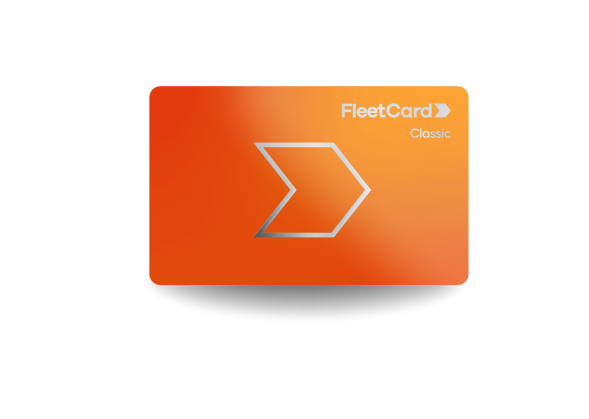
- FleetCard Classic: designed for small to medium fleets that need reliable fuel management, reporting and broad acceptance
- FleetCard Corporate: designed for larger, high-volume transport operations requiring more advanced fleet support
Additional features relevant to transport businesses include:
- Roadside assistance options to help reduce vehicle downtime
- Toll management solutions for vehicles using toll networks
- EV charging access for businesses transitioning toward electric vehicles
FleetCard Classic vs FleetCard Corporate: Which suits your fleet?
It’s not always easy to know what option you need, so let’s make it easier. Choosing between FleetCard Classic and FleetCard Corporate comes down to fleet size, fuel volume and the level of reporting complexity you’re after.
FleetCard Classic
FleetCard Classic is great for smaller and medium-sized transport businesses that need better fuel control without unnecessary complexity.
It provides:
- Broad fuel network access
- Fuel and vehicle expense management
- Reporting tools
- Optional fleet support features
FleetCard Corporate
FleetCard Corporate is for the larger transport and logistics fleets with higher fuel volumes and more complex requirements.
It is suited to businesses needing:
- Greater scalability
- More detailed reporting
- Support for larger driver and vehicle networks
- Solutions tailored to higher-volume operations
If you are unsure which option suits your fleet, speaking with the FleetCard team can help identify the right approach.
What to look for when choosing a fuel card for transport
Not every fuel card is designed for transport operations. Before choosing a provider, there are a few things worth checking beyond the headline features.
Network coverage
Single-brand fuel cards might be enough for a business operating in one metro area. Transport operators covering multiple regions will need access across a broad network of fuel providers, not just one brand’s sites.
Diesel and truck stop access
Check whether the card actually works at the locations your fleet uses. The right fuel card should support the fuel your vehicles run on and provide access where heavy vehicles operate, not just where passenger cars refuel.
Reporting capability
Look for reporting that allows you to track spending by vehicle, driver, location and time period. Broad reporting at fleet level is useful. Granular reporting by driver and route is what actually supports decisions.
Fuel Tax Credit support
Accurate transaction records help businesses maintain the documentation needed when assessing FTC eligibility. This is worth checking before signing up, not after.
Fraud controls
Fuel-only restrictions, PIN requirements and spending limits reduce the risk of unauthorised use. For fleets where cards are in drivers’ hands across different states and shifts, those controls matter.
Fees and charges
Compare monthly card fees, transaction fees, payment charges and available discounts. Using a fuel card comparison tool can help transport operators assess which option provides the best overall value.
Round up
For transport and logistics businesses, a fuel card is how you keep fuel spend visible, controlled and compliant:
- A fuel card helps transport and logistics businesses take control of one of their biggest operating costs: fuel spend.
- Detailed reporting by driver, vehicle, location, and transaction makes it easier to manage costs and allocate expenses accurately.
- Fuel cards reduce admin by replacing paper receipts with consolidated, GST-compliant invoices.
- Accurate transaction records can support Fuel Tax Credit claims for eligible heavy vehicle and off-road fuel use.
- Broad network coverage, including regional and remote locations, gives drivers flexibility across different routes.
- Spending controls such as fuel-only restrictions and card limits improve security across multi-driver fleets.
- FleetCard provides flexible options for different fleet sizes, from smaller operators through to larger transport businesses with more complex requirements.
- Reviewing your fuel management approach can help identify opportunities to reduce costs, improve visibility, and simplify day-to-day fleet administration.
To understand what your business could save, use the calculated fuel savings tool or explore FleetCard options to find the right fit for your fleet. Cut down your fuel costs, and start saving today.
Frequently Asked Questions
What is the best fuel card for transport businesses in Australia?
The best fuel card depends on fleet size, operating routes, fuel requirements and reporting needs. Transport businesses generally benefit from fuel cards with broad acceptance, diesel coverage, spending controls and detailed reporting broken down by driver and vehicle.
What are the advantages of fuel cards for transport businesses?
The main advantages include improved cost control, simpler GST reporting, reduced receipt management, better driver accountability and improved visibility over fleet fuel spending.
Can I use FleetCard at truck stops and regional fuel sites?
FleetCard provides access to thousands of fuel locations across Australia, including regional areas and major fuel networks. Businesses should confirm specific locations based on their operating routes.
How does a fuel card help with Fuel Tax Credit claims?
Fuel cards capture important transaction information including fuel volume, date and fuel type, helping businesses maintain the records required when reviewing FTC eligibility.
What is the difference between FleetCard Classic and FleetCard Corporate?
FleetCard Classic is designed for smaller fleets, while FleetCard Corporate supports larger transport businesses with higher fuel volumes and more complex requirements.
Can I manage multiple drivers and vehicles on one FleetCard account?
Yes. Multiple cards can be managed under one account, allowing businesses to assign cards to specific vehicles or drivers.
How does FleetCard help with GST reporting?
FleetCard provides consolidated invoices that include GST information, reducing the need to process individual receipts.
Is FleetCard suitable for long-haul transport operators?
Yes. FleetCard’s broad network and reporting capabilities make it suitable for operators travelling across metropolitan, regional and long-distance routes.